DailySleepRituals

START SLEEPING BETTER

You know the feeling: your eyelids are heavy, your body is tired, but sleep won’t come. Or you wake up in the middle of the night and lie awake for hours. A phase of poor sleep can happen to anyone — through stress, life changes, or simply the demands of everyday life.

The good news: returning to restful sleep is possible.

5 MINUTE READ

We live in an era of unparalleled medical possibilities and comprehensive knowledge. And yet something fundamental has become rare: restful sleep.

FALLING ASLEEP

Falling asleep faster

You lie in bed with your eyes closed, but your brain is running at full speed. Thoughts are racing. Sleep onset insomnia is plaguing you.

STAY ASLEEP

Finally staying asleep

You wake up for the third time tonight. The clock shows 3:47 AM. You flip your pillow to the cool side, adjust your blanket, and try to find

PERFECT SLEEP HYGIENE

Sleep hygiene

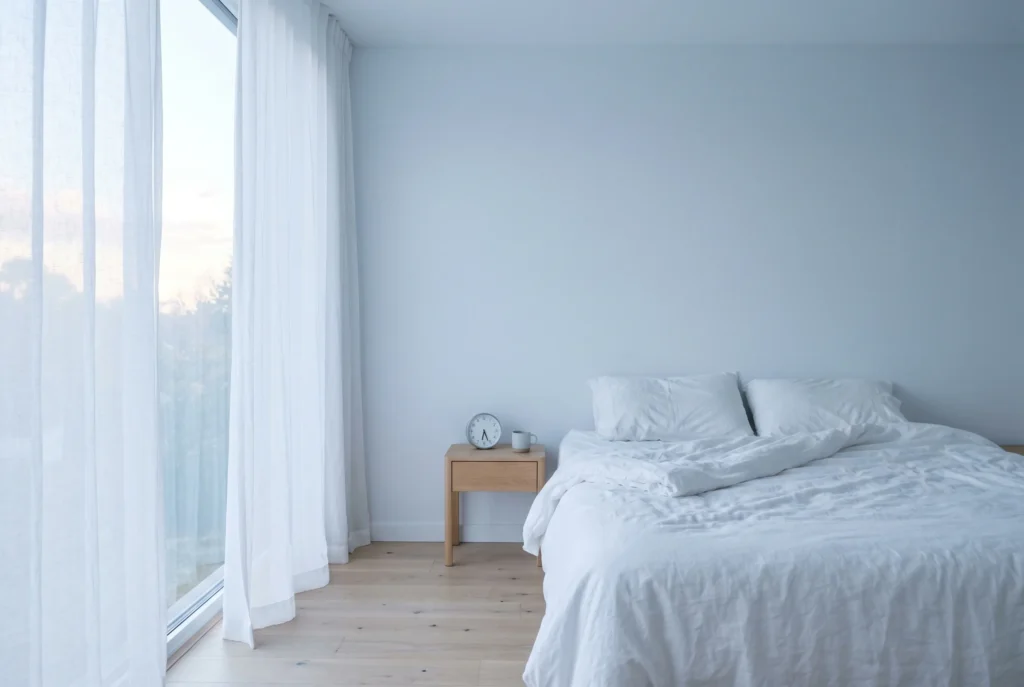
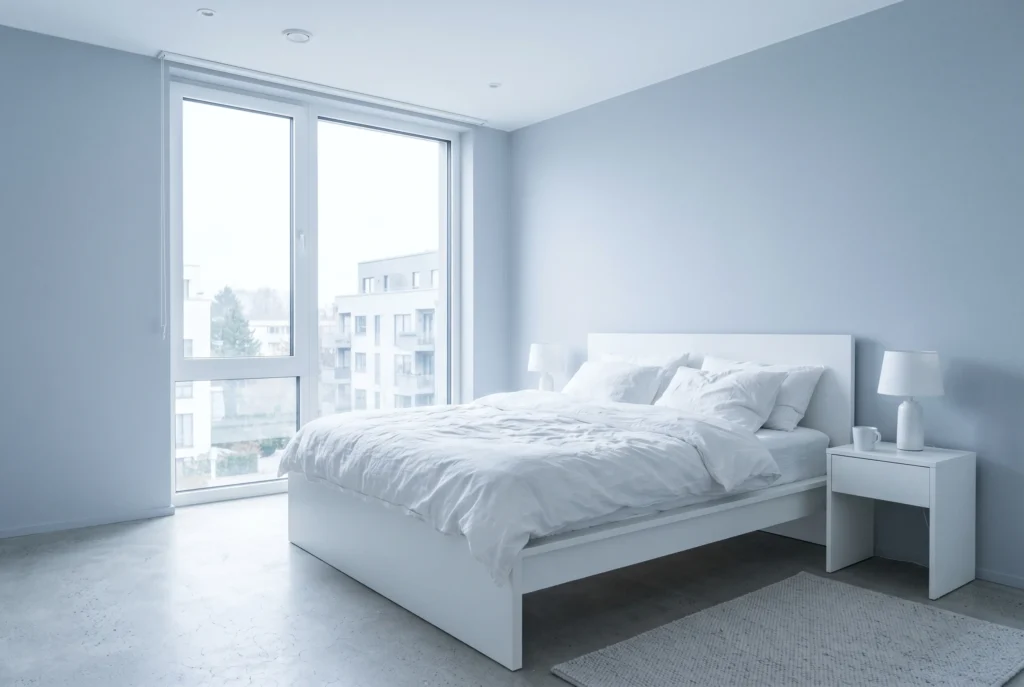
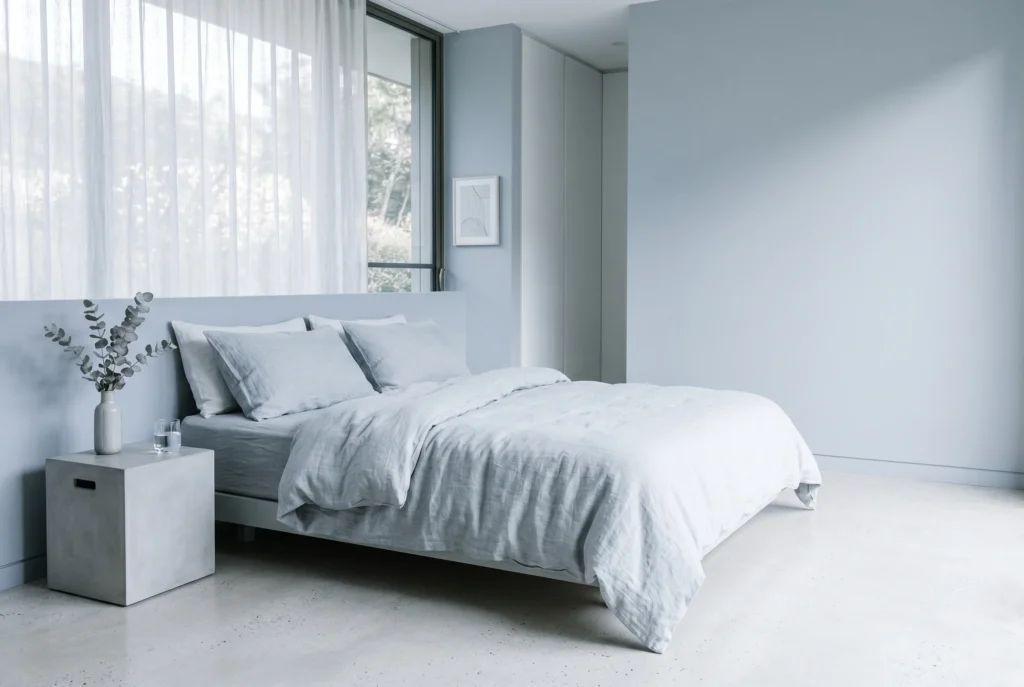
A bedroom that truly invites rest builds on three foundations. These pillars influence your sleep quality more than you think. And the best part

Articles

Bright bedroom with cool atmosphere

Valerian for Sleep: The Truth Behind the Myth

Valerian works for mild to moderate sleep disorders. The dosage must be right. What the
Minimalist cool bedroom

CBD and Sleep: What the Science Actually Says

CBD has potential for sleep disorders, but the evidence is limited. What the studies say
Cool bedroom with white tones

Lemon Balm for Sleep: How This Herb Helps You Rest

Lemon balm works via the GABA receptor, shortens sleep onset, and improves sleep quality. The
Bright bedroom with minimalist interior

Sleep and Memory: How Your Brain Learns at Night

Your brain learns at night. Deep sleep stores facts, REM boosts creativity. Why learning without
Cool bedroom with diffuse light

Sleep Paralysis: When Your Body Freezes at Night

Sleep paralysis is frightening but natural. What happens, why hallucinations occur, and how to prevent
Bright bedroom with laptop on nightstand

Blue Light and Screens: How to Rescue Your Evening

Blue light suppresses melatonin and destroys your sleep. Why night mode isn't enough and what
Bright bedroom with view of winter landscape

Sleep and Depression: The Hidden Connection

Sleep problems increase the risk of depression two to tenfold. The bidirectional relationship and what
Bedroom with gray bedding and cool light

Heart Palpitations at Night: When Your Heart Disrupts Your Sleep

Nocturnal heart palpitations are usually harmless, but they don't feel that way. Causes, warning signs,
Cool minimalist bedroom

Sleep Deprivation Effects: What Happens After a Sleepless Night

After 24 hours without sleep, you drive like at 0.05% BAC. What happens after 36,
Bright bedroom with soft shadows

Waking Up at Night: Why You’re Wide Awake at 3 AM

Awake at 3 AM and ruminating? The biology behind it and what you can do
Minimalist bedroom with concrete and white bedding

Sleep and Stress: How to Break the Vicious Cycle

Stress blocks sleep, sleep deprivation creates stress. How the vicious cycle works and how to
Cool bedroom with white bedding

Sleep Disorders in Menopause: Why Sleep Disappears and What Helps

Up to 60% of women in menopause have sleep problems. Hot flashes, hormones, and what

Knowledge

Frequent Question about sleep

OUR SLEEP NEED

How much sleep do I need?

Sleep needs vary from person to person, but most adults require between seven and nine hours of sleep per night to ensure cognitive function, emotional stability, and physical recovery. Getting less than six hours of sleep over an extended period has been shown to increase the risk of cardiovascular disease.

IMPORTANCE OF SLEEP

How important is sleep?

Sleep is the fundamental biological prerequisite for cognitive performance and emotional stability. Chronic sleep deprivation—defined as getting less than six hours of sleep—has been shown to increase the risk of cardiovascular disease by 48 percent, type 2 diabetes by 33 percent, and cognitive impairment, including dementia. In short: Sleep is not an optional break, but an active, physiologically essential phase of regeneration, consolidation, and detoxification.

HOW TO FALLS ASLEEP FASTER

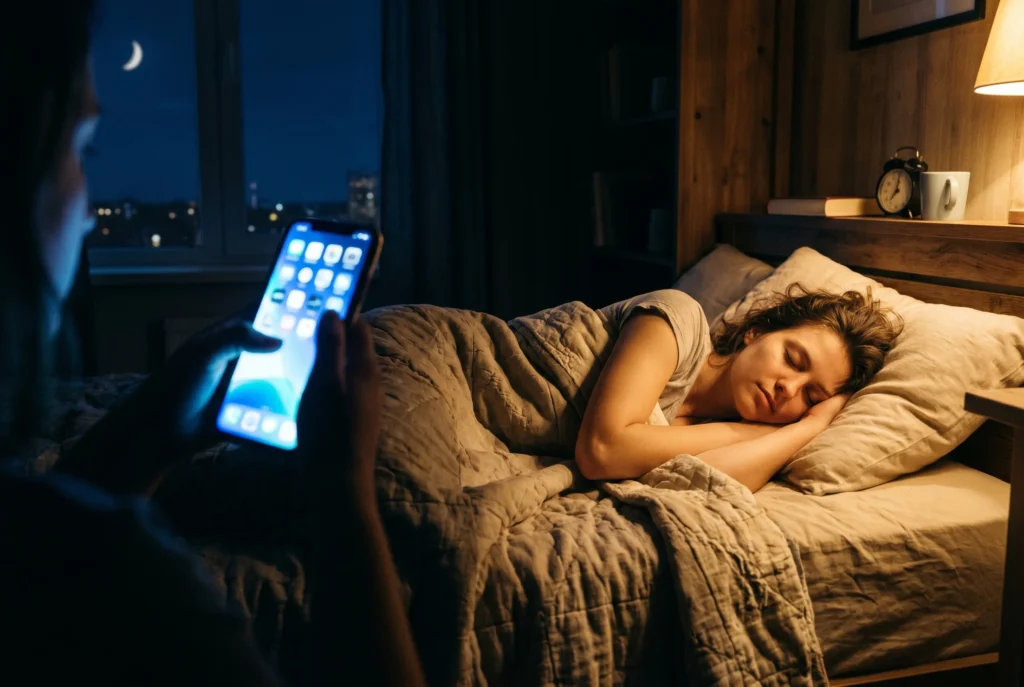
What can help me to fall asleep?

A structured evening routine with dim lighting at least one hour before bedtime promotes natural melatonin production and prepares the body for sleep. Progressive muscle relaxation according to Jacobson or the 4-7-8 breathing technique activate the parasympathetic nervous system and lower cortisol levels. Sleep hygiene—that is, a cool, dark, quiet bedroom and avoiding screens—is the foundation for falling asleep quickly.

HOW TO STAY ASLEEP

What can help me to stay asleep

A stable circadian rhythm promotes a full night’s sleep, which you can support by maintaining consistent bedtimes, exposing yourself to morning sunlight, and keeping your bedroom cool and dark. Chronic nighttime awakenings often indicate increased cortisol-driven arousal (stress).

HOW MUCH DEEP SLEEP DO I NEED

How much deep and REM sleep should I have?

Deep sleep accounts for about 15 to 20 percent of total sleep time in young adults, while REM sleep accounts for 20 to 25 percent. In an eight-hour night, this corresponds to approximately 70 to 90 minutes of deep sleep and 90 to 120 minutes of REM sleep. Deep sleep naturally decreases with age.